
Sexual assault is never justified, and it is never your fault.
We are here to support you.
On this page you will find information on:
What is sexual assault or rape
Coming to an appointment (what to expect, who you’ll meet, etc)
Further support for young people
What is sexual assault or rape?
Understanding what these terms mean can help when reaching out for support, but it’s okay if you don’t want to use these terms yourself.
And please know that no matter where you were, what you were doing, what you were wearing, or if you were drunk or under the influence of drugs – sexual assault is never okay.
What is rape and sexual assault?
Rape is when someone puts their penis into (penetrates) the vagina, anus, or mouth of another person without their consent.
Assault by penetration is when someone puts another part of their body – or an object – into another person’s vagina or anus without that person’s consent.
Sexual assault is when someone touches another person in a sexual way, without that person’s consent.
Sexual assault happens to people of every age, race, religion, gender identity, class, and sexuality. It can happen to people with disabilities and people without them.
What is consent?
Consent means giving permission, freely and without fear. If you said yes because you were scared, or didn’t feel that you were able to say no, that isn’t consent.
Even if you didn’t say no, or didn’t know what was happening, it doesn’t mean you consented.
If you initially say yes but change your mind and say no during sexual activity, that instantly becomes non-consensual. It is assault if the person doesn’t stop.
If you’re thinking about sexual activity, everyone involved must give consent. It doesn’t matter if you’re in a relationship or have had sex before, consent is needed each and every time.
How do I know if I was raped or sexually assaulted?
Often people are unsure what has happened to them. Someone who has been raped or sexually assaulted can show no physical signs of injury, and may not remember everything right away.
There may also be instances, because of the type of assault, where you are unable to remember what happened to you.
No matter how much, if anything, you remember, you can still talk to a healthcare professional where you’ll be listened to and believed.
We know this can be a very difficult and confusing time and you might be unsure about what to do or who to tell. Know that you’re not on your own and there are people here to support you.
Why it’s good to get support
Talking about an assault can be difficult, and even thinking about looking for support can feel overwhelming.
But reaching out for help can make a big difference in your recovery, and you don’t need to go through this alone.
We are specially trained in supporting people in this situation.
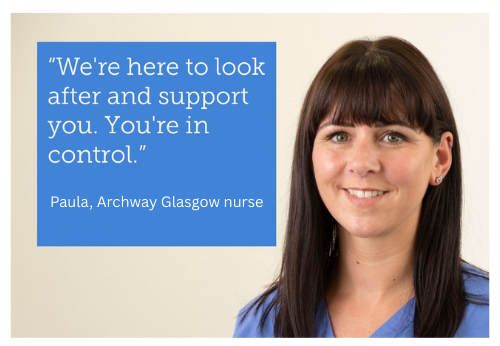
When you come to our service, you are in full control: you can decide what you want to do, ask any questions you have and you can stop or take a break any time.
Your safety and wellbeing are our top priority.
How we can help
We offer a range of support, including emotional support and practical help. We can arrange healthcare appointments and connect you with other services, making sure you get the care and support that’s right for you.
Is this service right for me?
We support young people and adults of all genders.
Although we are based in Glasgow, you don’t need to live here to access our service, and anyone can call us for advice, to ask questions, or to talk through their options.
For those who then go on to see us for support, the care may differ slightly depending on your age and circumstances. For example, if you are under 16 (or under 18 in some situations), we may need to involve other services to help keep you safe.
We will explain everything clearly and support you through any next steps, so you don’t have to figure this out on your own.
If you’re unsure whether we are the right service for you, we are happy to help you explore your options.
Call us for advice – any time, day or night
It’s normal to feel unsure about what to do, so please don’t hesitate to contact us at any time for information, advice or support – we will talk through your concerns and help you decide your next steps.
Call us on 0141 211 8175 for advice any time, we are available 24/7
What to expect when you call
- When you call, we will ask you a bit about yourself and what happened, and make sure you are safe.
- We will also recommend, if the assault has recently happened, that you don’t change clothes or shower where possible. But you don’t need to worry if you already have.
Coming to an appointment
If you book an appointment with our service, there are some good things to know before you attend:
Bringing someone with you
You can bring someone with you to your appointment if you like, but we will ask them to wait in the waiting area during any forensic examinations. We will discuss everything with you beforehand so you both know what to expect on the day.
Getting here
You can find directions to the service here.
Please remember we are appointment-only, so be sure to contact us before attending clinic.
What to expect
The video below shows you around our service and gives you an idea of what to expect when you attend for your appointment.
Who you’ll meet
We are a team of trained female staff who are experienced in providing care and support. If you would prefer to speak to a male practitioner, please let us know when you contact us.
Leaving the clinic
After you have finished with us, we will ensure that you get to where you are going safely. If you are with the police, they will also ensure you get home or to a safe place.
What our patients say
Everyone that comes to our service is offered the chance to leave feedback. You might find it reassuring to read the experiences of other young people who have come to see us:
Further support
These websites have extra support that you might find helpful.
NHS Inform
NHS Inform has specific information for people under the age of 16 seeking support for sexual assault.
Rape Crisis Scotland
Rape Crisis Scotland is a charity which supports victims of sexual assault and rape across Scotland.
Glasgow and Clyde Rape Crisis
Glasgow and Clyde Rape Crisis has a range of services for women and girls who have experienced any form of sexual violence and abuse.
Childline
Childline is a free, confidential service for young people to discuss anything that is concerning them.